

Epic training for end users is primarily delivered through healthcare organizations with limited options available online or without system access. This guide is for individual Epic users, job seekers, and healthcare professionals looking to learn or improve their skills.
If you want to understand what strong Epic training looks like from an organizational perspective, read our guide to Epic training for health systems.
If you work in healthcare, chances are you will need Epic training at some point in your career.
Whether you’re starting a new role or looking to improve your existing skills, one of the first challenges is figuring out where, when, and how you will access that training. Many users look for ways to learn Epic online or without access, but the reality is that these opportunities are extremely limited. Unlike many other software platforms, access to Epic is not widely available to the public. As a result, most training resources are tied to healthcare organizations that use Epic, which can make it difficult to find reliable training on your own.
This guide breaks down who needs Epic training, where to find it, and what options are realistically available based on your role.
Who Needs Epic Training?
Epic training is required across a wide range of roles in healthcare organizations, including:
- Clinicians (physicians, nurses, medical assistants, registered nurses)
- Non-clinical staff (administrative teams, registration, front desk)
- Epic analysts and IT staff
- Epic trainers and educators
Because Epic touches nearly every part of a healthcare organization, training is tailored based on how each role interacts with the system.
If you work for an organization that uses Epic, you will need some form of Epic training, regardless of your Epic experience. Because each health system runs a unique instance of Epic, it is important for users to undergo training specifically for their organization’s Epic instance. Additionally, users should receive regular Epic training specific to updates, upgrades, new go-lives, and any other changes to their workflow.
Do You Need Epic Experience Before Starting a New Role?
In most cases, no.
Healthcare organizations typically hire based on clinical or functional expertise, not your experience with a specific EHR like Epic. If your role requires Epic, you should expect to receive training as part of onboarding.
For IT professionals, the path may be different. If you’re pursuing an Epic analyst or technical role, you’ll want to look for roles at health systems that will sponsor employees to get certified by attending training at Epic’s headquarters.
Can You Learn Epic Without Access?
Epic is not an open system. Access to the software – and most training resources – is restricted to organizations that license Epic. As a result, most individuals cannot access Epic training on their own. Most formal training requires employment or affiliation with an Epic organization.
Another key challenge is customization. Each organization’s Epic instance is unique, which makes generic training less effective. In short, you cannot fully learn Epic without access to the system. There is no publicly available Epic course or certification that individuals can complete independently without sponsorship.
Where to Find Epic Training for Your Role
Through your organization
Most end users will receive Epic training through their organization. Health systems that use Epic typically provide:
- Onboarding training for new hires
- Ongoing training for update cycles and new go-lives
- Role-based training specific to workflows
- Access to training environments
- Internal guides and support resources
As a best practice, this training should be tailored to your organization’s Epic instance to ensure that it is relevant to users. Additionally, this training should be specific to your role and workflow.
Through Epic (Requires Sponsorship)
Epic offers extensive training, but access is limited. To participate in Epic training programs, you need sponsorship, which typically comes from:
- A health system that uses Epic
- Epic Systems (as an employer)
- Select IT vendors working with Epic
With sponsorship, users may gain access to:
- Epic University training
- Certification programs
- Advanced system documentation
This route is common for health IT professionals and aspiring Epic credentialed trainers. The most common path for individuals looking to build a career as an Epic analyst or trainer is through an entry-level role with an Epic organization that involves hands-on experience with Epic. These roles can often lead to sponsorship opportunities and Epic certification programs.
Additional Training Resources via Epic UserWeb
If you’re looking for Epic training beyond what your organization provides, your Epic login provides you with access to additional resources. The Epic UserWeb serves as Epic’s internal knowledge and training hub. To access it, you must register using an email associated with an Epic organization. It’s important to note that this training content is designed to support – not replace – organization-specific training.
What Epic Training Resources are Available on UserWeb?
- It’s Possible: A collection of short, targeted module learning materials that highlight how to use Epic more efficiently or showcase features users may not be aware of. This content focuses on optimization, not basic training.
- What’s New: Content focused on keeping users informed about changes introduced in Epic upgrades. It’s one of the primary ways Epic communicates new features, enhancements, and workflow updates to end users and organizations.
- Epic SmartUser Efficiency Program: A collection of free, live training sessions designed for physicians and nurses. The courses focus on advanced workflows and tips to save time.
- Nova Notes: Detailed, upgrade-focused materials that explain workflow impacts and help organizations prepare training for system changes. These are intended for training teams, not end users.
- WeLearnings: A shared library of Epic-created and client-created training content, primarily used by educators but sometimes helpful for end users as supplemental material.
These resources are useful for reinforcement and updates, but are not a substitute for role-based training within your organization.
Become an Epic analyst or trainer with self-study proficiencies
If you’re looking to become an Epic analyst or trainer, Epic UserWeb offers self-study proficiency courses and exams. You will be able to select a module for certification (Stork, Radiant, Beaker, etc.). Self-study courses are free, but certification exams include a small fee.
Epic Training Without an Epic Login
Unfortunately, options are very limited for individuals seeking Epic training without an Epic login. As noted earlier, Epic is highly customized for each health system. Furthermore, there is no publicly available version of Epic that individuals can log into for independent training. As such, third party training opportunities will be generic, which should be viewed as a supplementary, not primary, source of training.
What Epic Training Options Exist Without Access?
There are some online resources that offer various forms of Epic training, but these should be evaluated carefully, especially if they promise full Epic training without system access. Again, meaningful Epic training should be role- and workflow-specific. These resources can help you get familiar with concepts, but they are not a substitute for hands-on experience in Epic.
Most useful options:
- Epic SmartUser / public sessions (if available)
- Epic-style simulators (free & paid)
Helpful but indirect options:
- General EHR / healthcare IT courses (free & paid through platforms like Coursera, edX, Udemy, and LinkedIn Learning)
- YouTube walkthroughs
Least useful options:
- Generic blogs and PDFs
The Reality of Learning Epic
The most important thing to keep in mind for end users looking for additional training is this: Epic is learned on the job. If Epic is a requirement for a role you seek, you will receive on-the-job training.
Health systems are hiring you for your clinical or technical expertise, not your specific knowledge of Epic. Avoid spending money or too much time on Epic training to prepare for a future role. Without an Epic login or sponsorship, avenues for quality Epic training are incredibly limited in both availability and relevancy to your role.
Instead, if improving your Epic skills is a critical component of your career goals, focus on finding job opportunities at health systems that prioritize Epic training. The most effective way to learn Epic is through hands-on use within real, day-to-day workflows, and the quality of your Epic training will depend heavily on the organization you work for. Look for organizations that prioritize Epic training and user support. This may include health systems that partner with KLAS Arch Collaborative, achieve high Net EHR Experience Satisfaction (NEES) scores, or earn Epic Gold Stars status.
FAQS
Can I learn Epic online without access?
Only partially. You can learn general concepts and workflows through online resources, but you cannot fully learn or practice Epic without access to the system.
Does uPerform offer Epic training?
No, uPerform does not directly offer Epic training. uPerform is a digital learning platform that enables healthcare organizations to quickly create training materials for Epic and deliver them directly in the Epic workflow.
Do I need Epic experience to get hired?
In most cases, no. Healthcare organizations typically hire based on clinical or functional expertise, not your experience with a specific EHR like Epic.
Can I get Epic certified without a job?
No, you will need to be sponsored by an Epic organization or work for Epic directly to receive Epic certifications.
How long does Epic training take?
Most Epic end users complete initial training in three days to two weeks, depending on their role. However, this can vary greatly by system, role, and prior Epic experience. Additionally, Epic training doesn’t end after onboarding – it continues throughout your career as workflows, roles, and system updates evolve.
Related Articles

Epic Secure Chat Rollout: How Baptist Health Jacksonville Drove Adoption
A people-first change management approach turned a high-stakes communication platform switch into a model for EHR adoption When Baptist Health Jacksonville replaced its legacy communication platform with Epic Secure Chat, the rollout wasn’t just a…

Where to Find Epic Training for End Users
Epic training for end users is primarily delivered through healthcare organizations with limited options available online or without system access. This guide is for individual Epic users, job seekers, and healthcare professionals looking to learn…

New Epic Gold Stars requirements and how to earn them
Epic® shared new requirements for its Gold Stars program at its UGM event in August. The program initially focused on whether organizations were live with certain Epic applications and functionality. Now, the leading EHR will…

Epic Training for Health Systems: A Complete and Scalable Guide
This guide is for health systems and organizations responsible for training staff on Epic. Looking for Epic training as an individual user? Read our article Where to find Epic training for end users. Epic training is…

Epic onboarding with uPerform
Looking for ways to get new hires through Epic onboarding faster? As resource-strapped health systems race to onboard an influx of new hires, learning applications like uPerform offer a streamlined solution for creating and delivering…

Optimizing Epic Learning Home Dashboards with uPerform
Many health systems are leveraging Learning Home Dashboards to deliver a better Epic® training experience to users. While they can be a great way to improve access to important content and communications, managing numerous Learning Home…
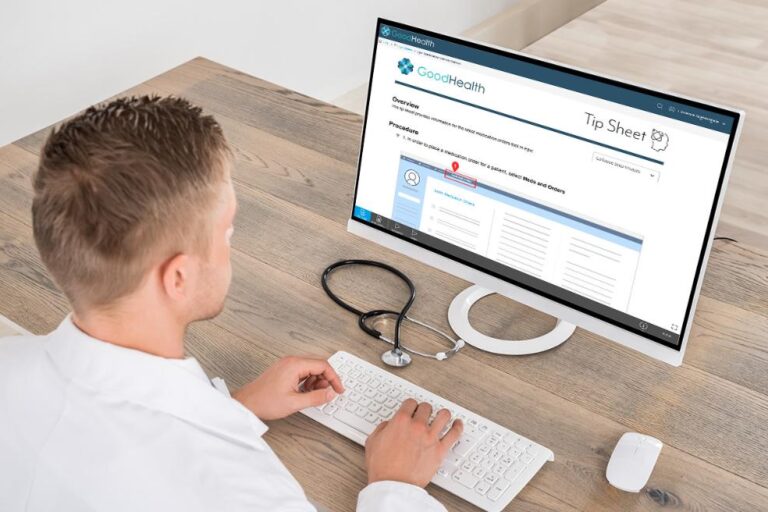
How to create Epic tip sheets with uPerform
Epic tip sheets are a great way to help users through workflows and tasks in Epic Systems EHR software. Whether a user is performing a task for the first time or needs a quick refresher,…

Epic training for nurses: how to scale amid rising staff shortages
As hospitals and healthcare systems search for ways to combat the rising costs of the nursing workforce shortage, one key area to focus on is improving Epic® training for nurses. Comprehensive Epic training drives proficiency,…

Preparing staff for the transition to Epic Hyperdrive
Epic® Hyperdrive is here, and most health systems have already made the transition. Epic’s new web-based client is expected to improve user experience, add client deployment flexibility and simplify Epic upgrades. If you have…

Integration Guide: Epic in-app training with uPerform
Take your Epic® software training to the next level with learning in the flow of work. uPerform is a just-in-time training and support platform that provides users with customized Epic in-app training materials. With multiple…
PODCAST: 9 Tips for transitioning to a virtual Epic training strategy from Anne LaFlamme, CNIO at M Health Fairview
This is one chapter in Fairview’s ongoing story. Since this post was published, Fairview has gone on to transition 100% of staff to asynchronous onboarding and save $2M annually in training costs. See the full…